

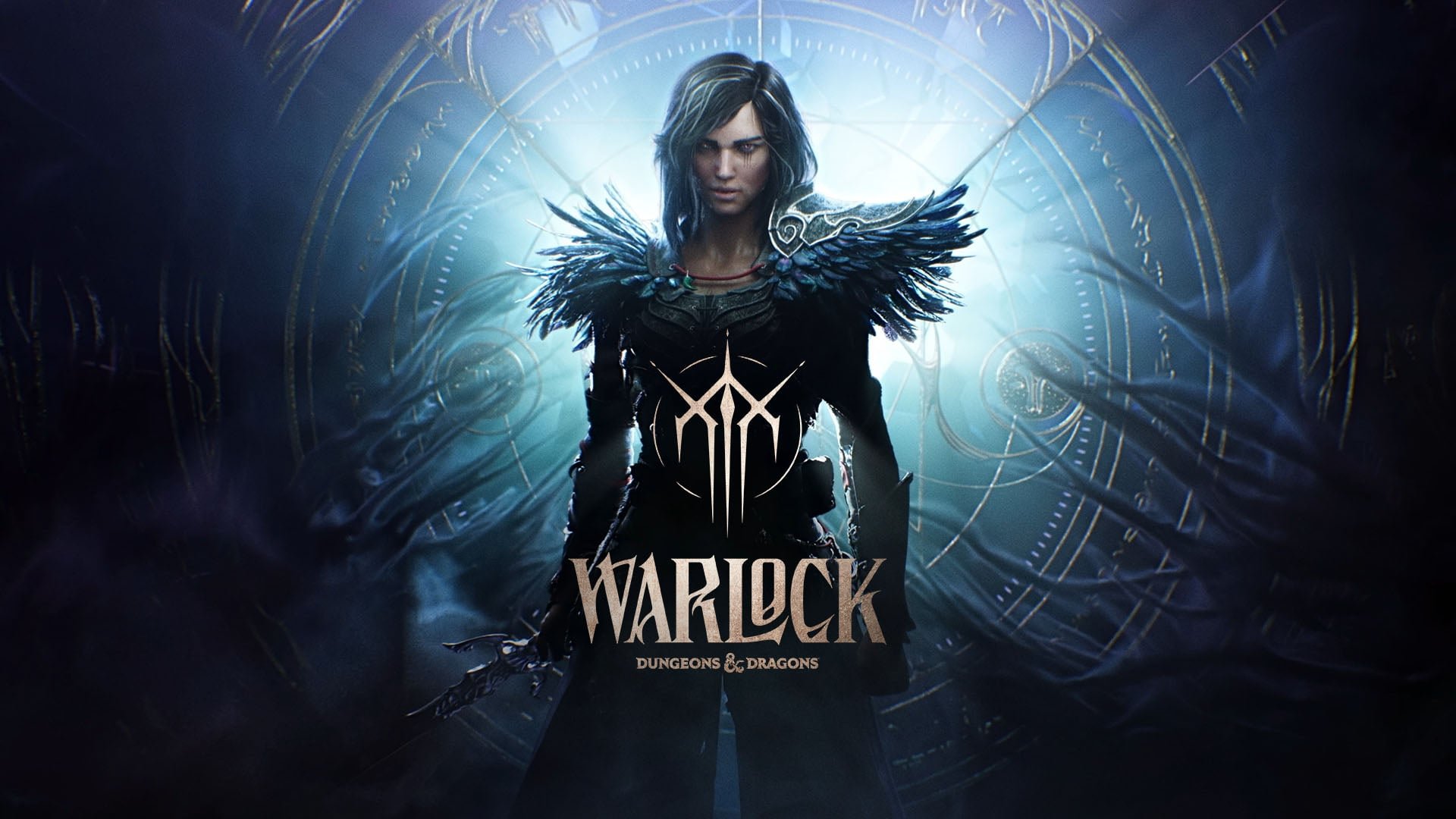
Warlock Developers Want Players to Feel Powerful, Even If That Means Being Overpowered

Balancing a video game usually means making sure the player never becomes so powerful that the challenge completely disappears. The developers behind Warlock: Dungeons & Dragons, however, are approaching that problem from a slightly different direction.
Instead of asking whether a spell is too powerful from the beginning, developer Invoke Studios wants to make sure the abilities are fun first. If that means making the player ridiculously powerful for a while, so be it.
The balancing can come later.
"Make It OP First"
Invoke Studios general manager Dominic Guay recently discussed the philosophy behind the game's magic system. During development, the team apparently had a tendency to look at new abilities and immediately worry that they might be too powerful.
Eventually, the developers decided to turn that philosophy on its head.
Rather than restricting spells before they had even proven themselves enjoyable, the team began focusing on making abilities powerful and entertaining first. Once something worked and felt satisfying to use, the developers could begin figuring out how to balance it within the wider game.
It is an interesting approach, particularly for a game based on Dungeons & Dragons, where magic can become spectacularly powerful when players learn how different spells, environments and abilities interact.
Magic Is More Than Just Damage
One example discussed by the developers is Black Tentacles, a classic Dungeons & Dragons spell designed to restrain enemies while also dealing damage.
In Warlock, however, the usefulness of a spell can depend heavily on how the player chooses to use it.
Rather than simply throwing Black Tentacles directly at an ogre, for example, players could target the creature's weapon. The tentacles can pin the weapon to the ground, temporarily leaving the enemy vulnerable and creating an opportunity to attack.
Casting the same spell directly against the ogre may produce a different result, since a sufficiently powerful creature could break free relatively quickly.
That distinction reveals something important about Warlock. Magic isn't being designed purely as a collection of increasingly powerful attacks. Spells are intended to behave more like tools that players can creatively apply to combat, exploration and environmental puzzles.
The game's official website describes Kaatri's forbidden magic in similar terms, explaining that spells and rituals can open paths, create advantages and allow players to manipulate situations in creative ways.
No Traditional Spell Menu
Invoke Studios is also experimenting with how players actually cast their spells.
Instead of constantly selecting abilities from a conventional spell list, Warlock associates magic with different button combinations. With enough practice, players should therefore be able to cast spells without interrupting the flow of combat.
The idea is to allow melee attacks and magic to blend together naturally while giving players the ability to react quickly to whatever is happening around them.
That could also give the combat system a considerable learning curve.
Players won't simply unlock a spell, place it into an ability slot and press the corresponding button whenever its cooldown expires. They'll gradually learn how the game's unusual control system works and, eventually, how different spells can be chained together.
Interestingly, that learning process is supposed to mirror protagonist Kaatri's own journey.
Becoming a Warlock Alongside Kaatri
Kaatri is already an experienced warrior when the story begins, but becoming a warlock introduces an entirely different kind of power.
She makes a dangerous pact with the legendary witch Tasha while searching for someone she has lost, sending her into a dark realm where magical power comes with potentially serious consequences.
Players will gain additional spells relatively quickly during the adventure, but Invoke Studios wants mastering them to take considerably longer.
In other words, Kaatri is learning how to become a warlock at roughly the same time that the player is learning how to control one.
That could make progression feel less like simply watching numbers increase on a character sheet and more like genuinely becoming better at manipulating the game's systems.
Let Players Have Fun Before Reaching for the Nerf Hammer
The philosophy behind Warlock is particularly interesting in an era when balance can dominate discussions surrounding games.
Powerful weapons and abilities are frequently nerfed because developers worry they will overshadow other options. While balancing is obviously important, excessive caution can sometimes result in abilities that look spectacular but don't actually feel particularly powerful.
Invoke Studios appears willing to experiment with the opposite approach.
Make the spell exciting.
Make it powerful.
Let players discover ridiculous ways of using it.
Then figure out what limitations are necessary to prevent it from breaking the entire game.
If the studio manages to maintain that philosophy without eliminating all challenge, Warlock could deliver exactly the kind of fantasy that its name promises: not merely playing a character who supposedly possesses forbidden magical power, but actually feeling dangerously powerful when you use it.
Warlock: Dungeons & Dragons is currently scheduled for release in 2027 for PC, PlayStation 5 and Xbox Series X|S.
Recommended Comments
Join the conversation
You are posting as a guest. If you have an account, sign in now to post with your account.
Note: Your post will require moderator approval before it will be visible.